
WORLD INTERFAITH HARMONY WEEK REPORT
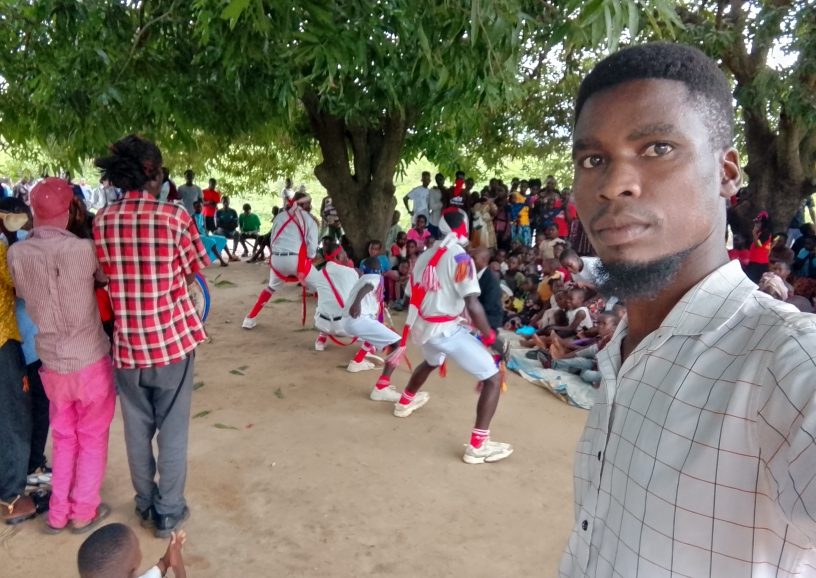
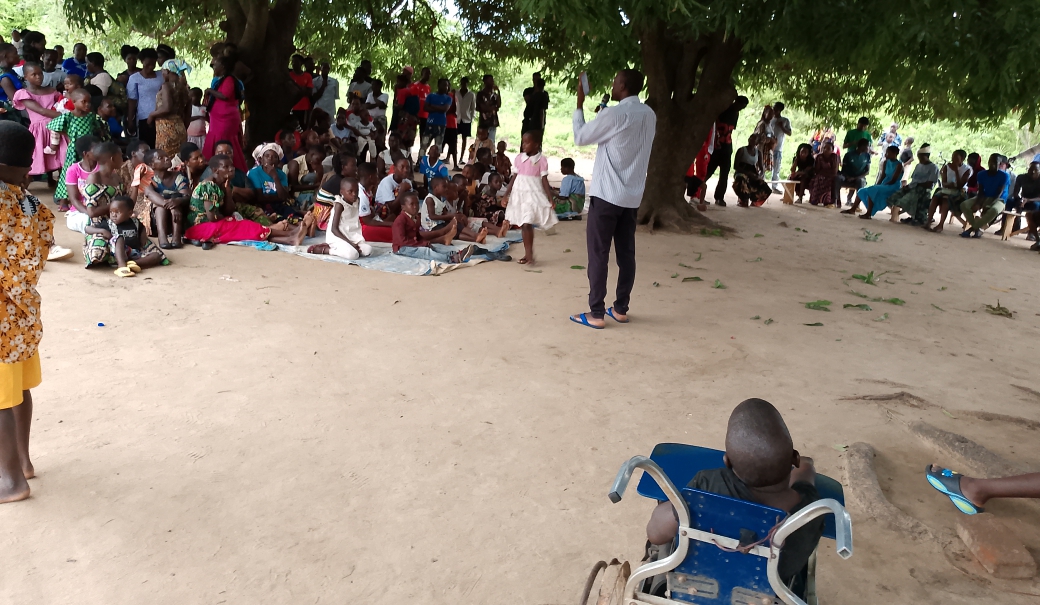
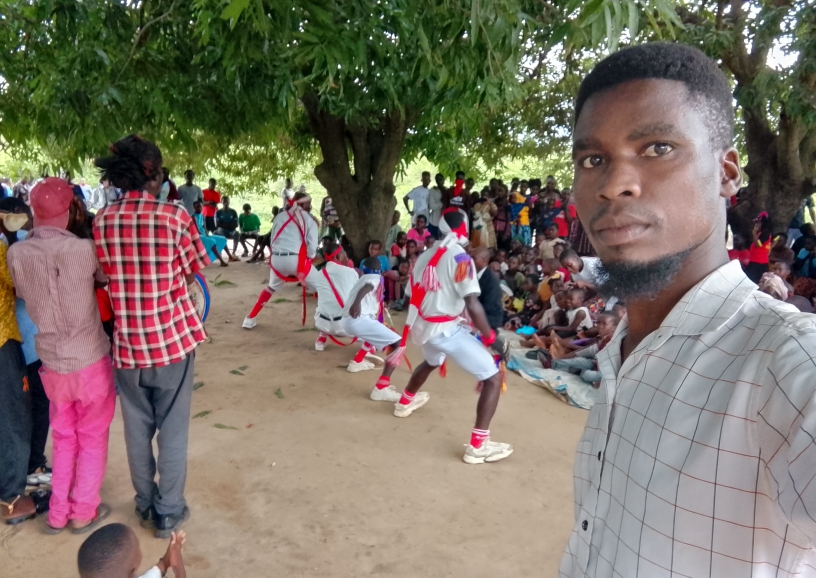
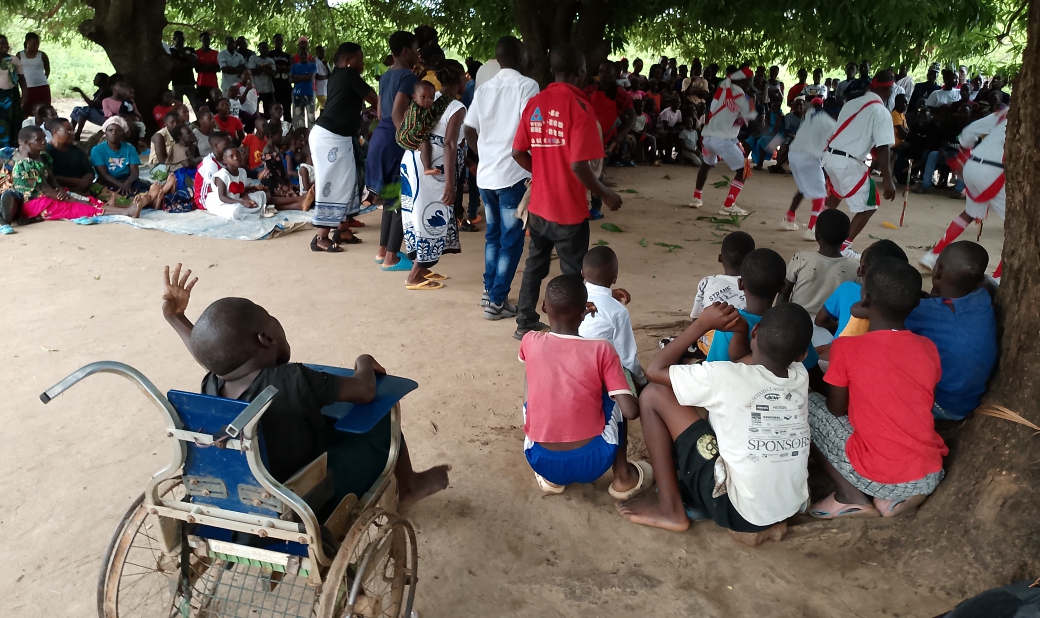
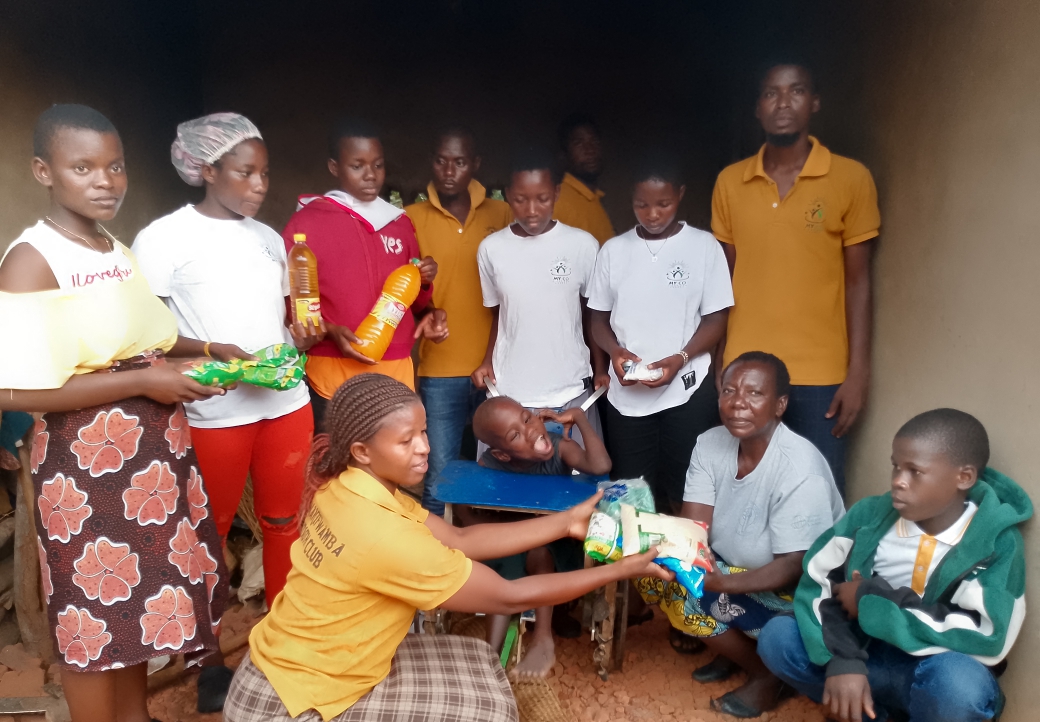
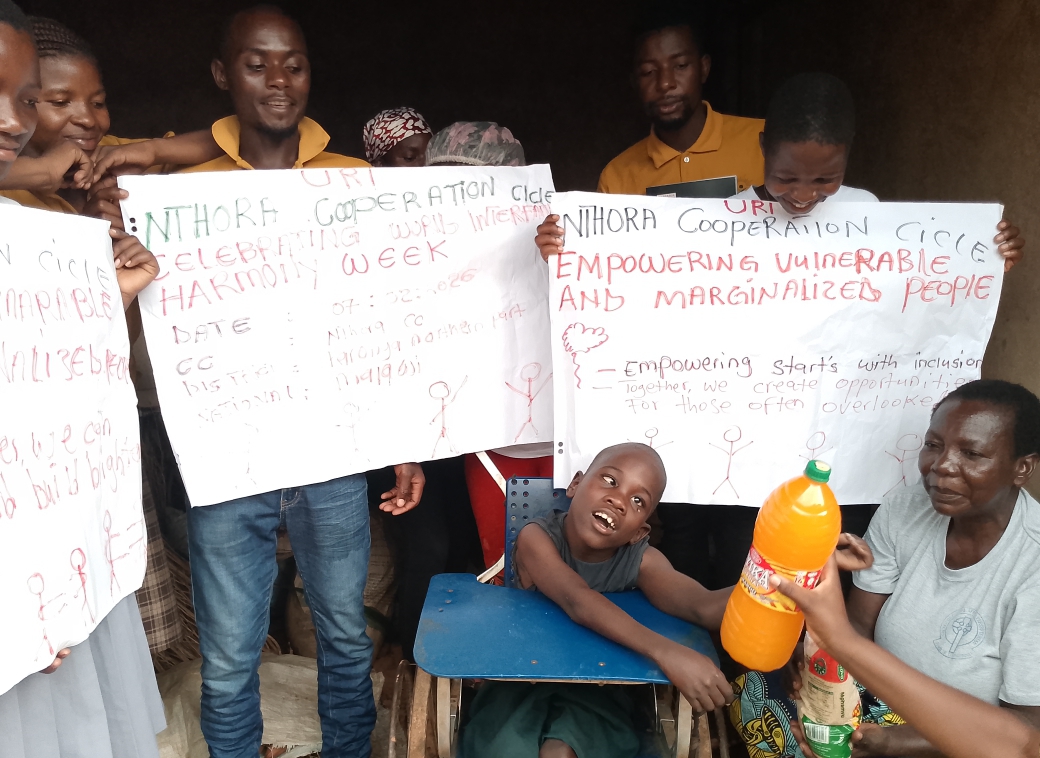
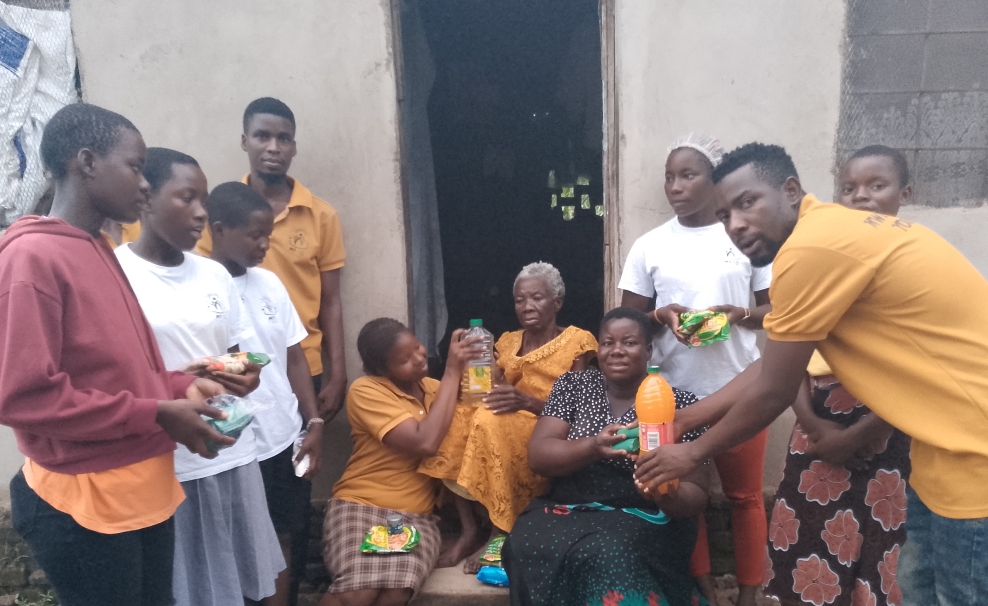
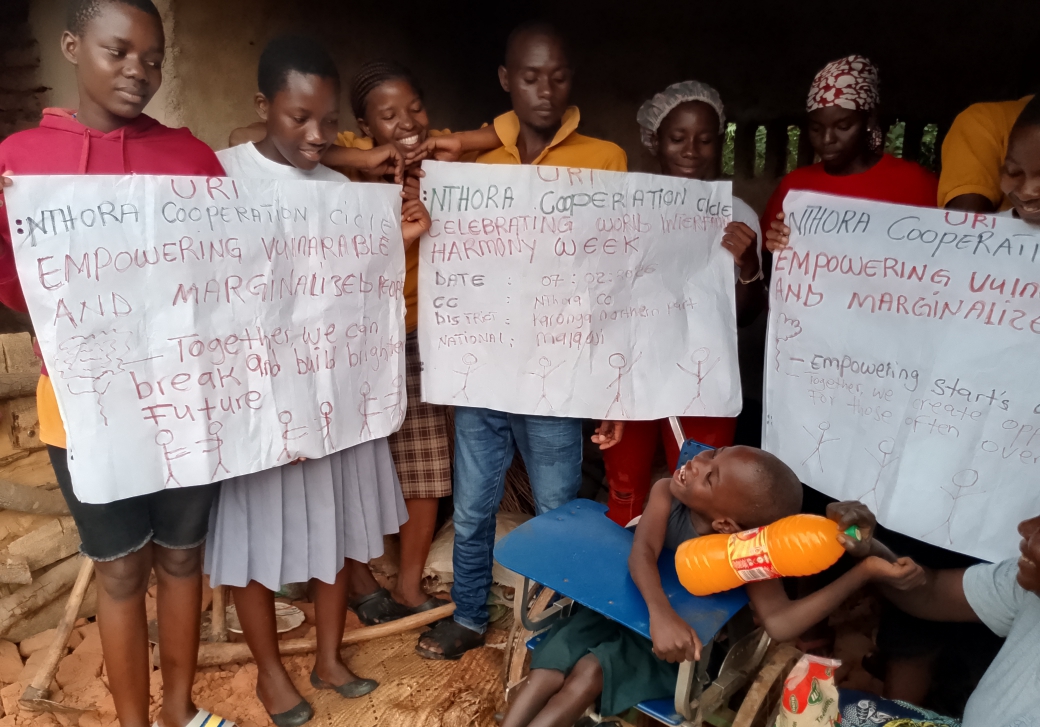
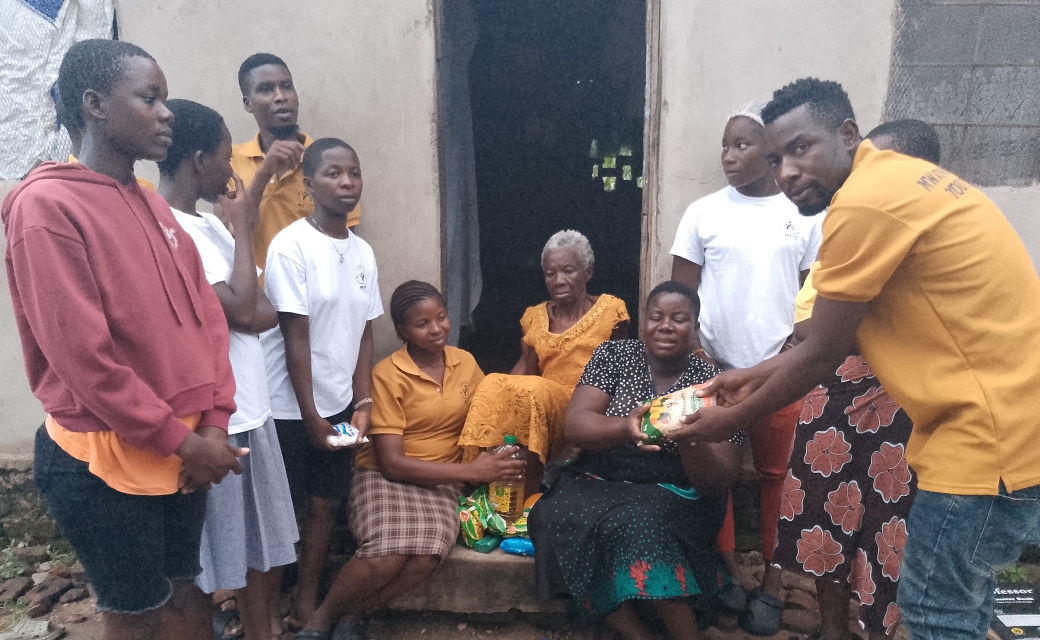
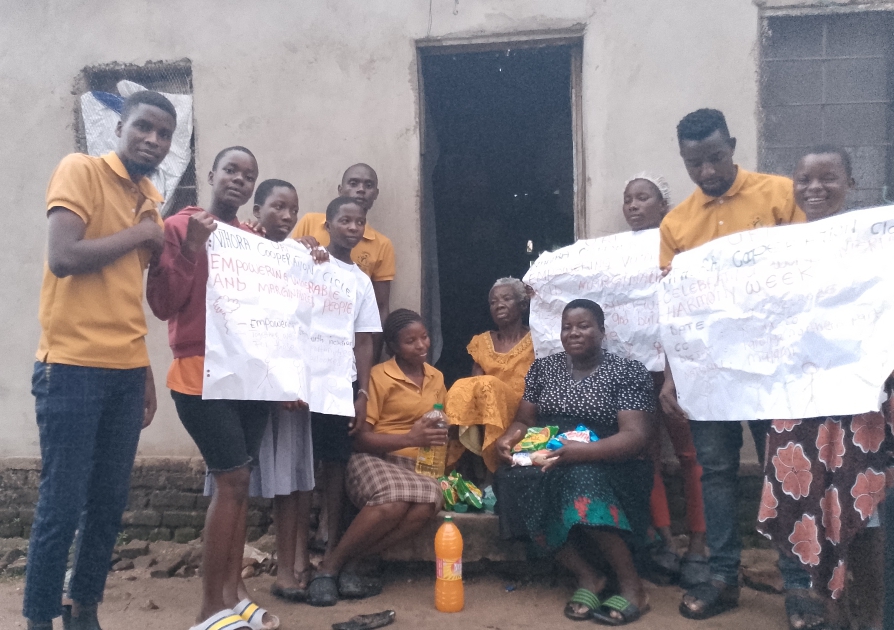
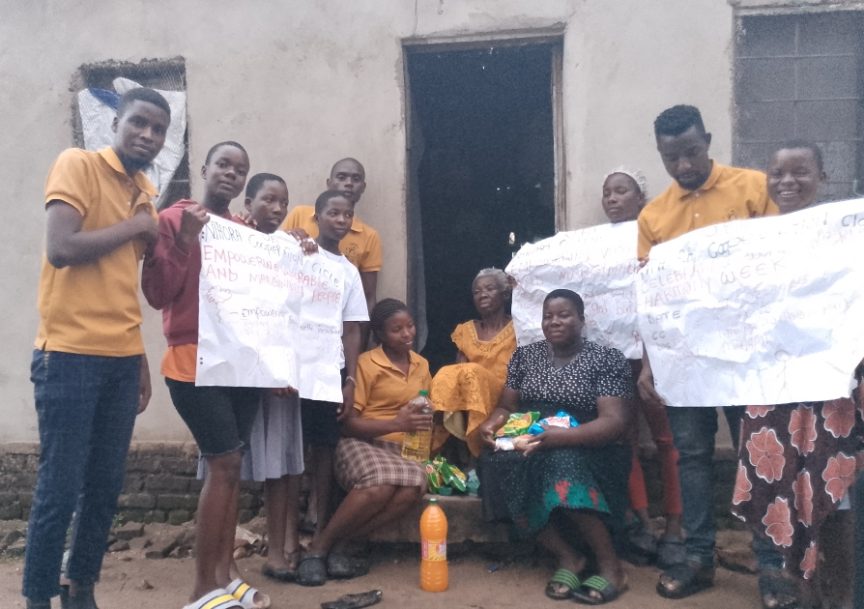
WORLD INTERFAITH HARMONY WEEK (WIHW) REPORT – 2026 Theme: Love of God and Love for the Neighbour CC: Nthola Cooperation Circle Location: Karonga District, Malawi Date of Event: 7th February 2026 Introduction – Every year, World Interfaith Harmony Week is celebrated during the first week of February. The 2026 global theme, Love of God and Love for the Neighbour, emphasizes compassion, unity, and peaceful coexistence among all people regardless of their religious or social backgrounds. – In line with this theme, Nthola Cooperation Circle organized a community outreach activity on 7th February 2026. The event focused on marginalised, vulnerable, and persons with disabilities within our communities. The activity aimed to demonstrate practical love and care while promoting inclusion, dignity, and equal participation. Background and Problem Statement – Many vulnerable and disabled people in our communities face serious challenges in their daily lives. They are often left behind and live in isolation. Most of them are unable to socialise freely with others or participate in community activities. – In many cases, they are not included in decision-making processes and are not given opportunities to contribute constructive ideas for community development. They are also often not recognized as individuals with abilities and potential. Instead, some community members view them as people who cannot contribute to society. As a result, they are excluded and neglected both at family and community levels. These challenges highlight the need for continuous awareness, advocacy, and community engagement to change attitudes and promote inclusion. Objectives of the Event – To promote social inclusion of vulnerable and persons with disabilities. – To raise awareness on disability rights within the broader community. – To encourage equal participation in community activities. – To demonstrate that disability is not a limitation to contributing to society. – To provide emotional and social support to vulnerable individuals and their caregivers. Activities Conducted 1. Social Interaction and Fellowship Nthola Cooperation Circle organized a fellowship gathering with vulnerable and disabled individuals. This created a platform for interaction, sharing experiences, and building relationships. The activity also aimed to reduce isolation and encourage community acceptance. 2. Support Through Basic Needs Through contributions from group members, basic gifts and essential items were purchased and distributed. These items were meant to support beneficiaries and show love and solidarity. 3. Counselling and Awareness The team provided counselling to caregivers and family members. They were encouraged to be compassionate, kind, and loving in their treatment of persons with disabilities. Emphasis was placed on avoiding discrimination and promoting dignity and respect. 4. Community Traditional Dances and Awareness Campaign Community traditional dances were organized to create awareness and advocate for the rights of persons with disabilities. During the event, messages were shared to the public highlighting that people with disabilities are capable and can contribute to community and national development. One young disabled child was invited to participate and enjoy the performances. It was observed that he had never attended such social gatherings before. His happiness was visible through his movements, smiles, and excitement. This experience showed the importance of inclusion and social participation. It was also discovered that the child often stays indoors when family members go out, which demonstrates the level of isolation faced by many vulnerable individuals. Outcomes and Impact The event brought positive change and awareness in the community. – Increased awareness on disability inclusion and rights. – Improved social interaction and confidence among beneficiaries. – Strengthened relationships between the community and persons with disabilities. – Reduced stigma and negative perceptions towards vulnerable individuals. – Emotional support and encouragement for caregivers and families. Challenges Despite the success of the event, some challenges were noted. – Limited financial resources restricted the number of beneficiaries supported. – Some community members still hold negative attitudes towards disability. – Lack of transport and accessibility for some participants. Conclusion – Vulnerable persons with disabilities remain a pressing societal concern. However, through collective efforts, communities can bridge existing gaps and promote inclusivity. Our aim was to provide holistic support by promoting awareness, inclusion, and access to basic needs. – Nthola Cooperation Circle believes that people with disabilities have the capability to lead fulfilling lives and contribute meaningfully to society. Continued awareness, empowerment, and community engagement are essential to achieving this vision. Recommendations – Increase community awareness campaigns on disability rights. Strengthen partnerships with organisations supporting disability inclusion. – Mobilize more resources to support vulnerable groups. – Conduct regular outreach activities to ensure sustainability.